When a campaign looks like it’s underperforming, it’s easy to jump to the usual fixes. Adjust the creative. Cut the budget. Shift spend to another channel.
But before making those changes, it’s worth asking whether your tracking setup is showing the full picture.
In many Google Ads accounts, conversions are still happening, but they’re not always making it back into the platform. Privacy updates, ad blockers, cross-device shopping behavior, and offline sales activity can all make it harder to connect an ad interaction to the final customer action.
That’s especially important for channels like YouTube, Performance Max, and other upper-funnel campaigns. These campaigns often influence customers earlier in their journey, when they’re researching the brand for the first time. If that influence isn’t captured, advertisers may undervalue campaigns that are helping move customers toward a purchase.
The good news is that better data hygiene can help. By improving how conversion signals are collected and sent back into Google Ads, advertisers can make more informed decisions before changing budgets, pausing campaigns, or shifting strategy.
Why Conversion Data May Be Incomplete
Today’s customer journey doesn’t always follow a single, clean path.
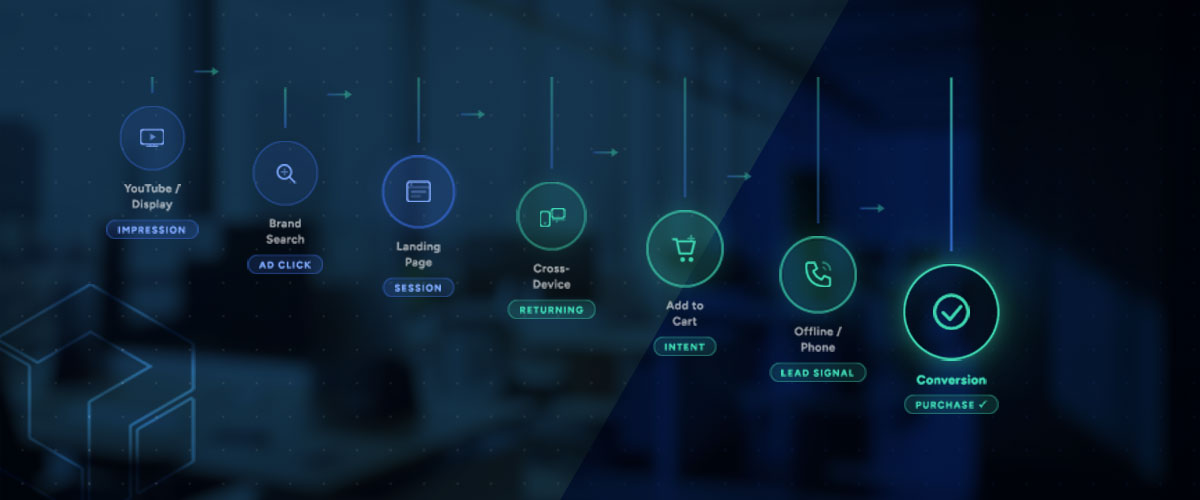
Someone might see a YouTube ad on their TV, search for your brand on their phone, and make a purchase from their laptop a few days later. Another person might click an ad, submit a form, and finish the sale over the phone. In both cases, the ad may have influenced the outcome, but traditional tracking may not capture the full journey.
That creates a reporting problem and an optimization problem.
If Google Ads doesn’t receive complete conversion data, the platform has less information to work with. That can affect how automated bidding evaluates users, allocates budget, and learns which actions matter most to your business.
Over time, incomplete data can lead advertisers to make decisions based on an incomplete view of performance. A campaign may look inefficient in the dashboard, even if it’s helping customers discover your brand or move closer to a purchase.
Start With Enhanced Conversions
Enhanced conversions are one of the most important tools for improving Google Ads measurement.
They use hashed first-party customer data, such as an email address or phone number, to help Google connect a conversion back to an earlier ad interaction. This can be especially helpful when a customer moves across devices before converting.
For example, someone may first engage with your brand through a YouTube ad, then complete the purchase on another device later. Without enhanced conversions, that connection can be harder to see. With enhanced conversions in place, Google has a better chance of understanding how that customer journey unfolded.
For advertisers, this means better visibility into what’s actually driving results. It also gives Google’s bidding systems more accurate information to optimize against.
Connect Offline Conversions Back to Google Ads
Not every valuable conversion happens online.
For lead-generation businesses, home services companies, automotive businesses, higher-ticket ecommerce brands, and other sales-driven organizations, many of the most important outcomes happen after the first form fill or phone call.
That matters because a form submission isn’t always a sale. Some leads become customers. Others don’t. If Google only sees the initial lead, it may optimize for lead volume rather than lead quality.
Offline conversion tracking helps solve this problem by sending meaningful customer actions back into Google Ads. These could include closed sales, qualified leads, booked appointments, or other outcomes that better reflect business value.
Instead of training the algorithm to find more people who fill out a form, you can train it to find more people who are likely to become customers.
Use Micro Conversions to Support Upper-Funnel Campaigns
Some campaigns don’t generate enough purchase-level data for Google to optimize effectively, especially when they sit higher in the funnel.
That doesn’t mean those campaigns aren’t valuable. It may just mean they need additional signals.
Micro conversions can help by tracking smaller actions that show meaningful engagement. These may include watching a certain percentage of a video, visiting an important landing page, adding a product to the cart, or spending more time on the site.
These actions shouldn’t replace your primary conversions, but they can give Google more context on how users interact with your business. They’re especially useful for discovery-focused campaigns where users may not convert right away.
The goal isn’t to make performance look better than it is. The goal is to help the platform understand which early actions are connected to stronger customer intent.
Recover Signals That Are Getting Blocked
Another common issue is that some conversion signals are blocked before they ever reach Google.
Browser restrictions, privacy settings, and ad blockers can all interfere with traditional tracking. This means advertisers may be losing data even when their tags appear to be set up correctly.
Server-side tracking tools, including Google Tag Gateway, can help recover some of those missing signals by routing tracking through a business’s own domain. This can support stronger data collection while giving advertisers a more reliable measurement foundation.
For many businesses, this part of the setup can feel more technical. But as privacy standards continue to reshape digital advertising, it’s becoming an important part of campaign performance.
Don’t Cut a Campaign Before Checking the Data
When performance looks off, take a closer look at what Google Ads is actually receiving before making major changes.
A few questions can help guide that review:
- Are primary and secondary conversions set up correctly?
- Are qualified leads, booked appointments, or closed sales being sent back into the platform?
- Are cross-device customer journeys being captured through enhanced conversions?
- Do upper-funnel campaigns have enough useful engagement signals?
- Are browser restrictions or ad blockers limiting your tracking?
- Is your conversion data aligned with the outcomes your business actually cares about?
If the answer to any of these questions is no, your next move may not be cutting spend. It may be strengthening the measurement setup behind the campaign.
Better Data Leads to Better Decisions
Digital advertising is increasingly powered by automation, but automation needs the right inputs to work well.
When your conversion tracking is incomplete, Google Ads may optimize for the actions it can see rather than the outcomes that matter most to your business. Stronger data hygiene helps close that gap by giving the platform clearer signals about which campaigns, audiences, and actions are actually driving value.
Before you pause a channel or shift your budget, start with your data. A cleaner tracking setup can help you make better decisions and give your campaigns a stronger foundation for long-term performance.
If your campaign performance doesn’t seem to match what you’re seeing in your business, your tracking setup may be part of the problem. LP can help review your conversion data, uncover measurement gaps, and build a stronger foundation for smarter Google Ads performance.