Branded search conversions can look almost too easy. Someone searches for your company or a specific product, clicks an ad, and buys. From inside the account, it looks like search did exactly what it was supposed to do. But that search usually isn’t the beginning of the story.
By the time someone searches a brand name followed by a product or model, they’ve probably already done some research. They may have watched a review, seen the product recommended somewhere, come across it on social media, or found it through an AI tool.
Search catches that person at the point where their intent is clear, while much of what shaped that intent happened elsewhere.
That makes branded search valuable, but it also means marketers need to be careful about how much credit they give it.
The Search Account Only Shows Part of the Journey
Google search volume is still massive and continues to grow, reaching an all-time high in the first quarter of 2026. People haven’t stopped searching. They just have more ways to figure out what they want before they get there.
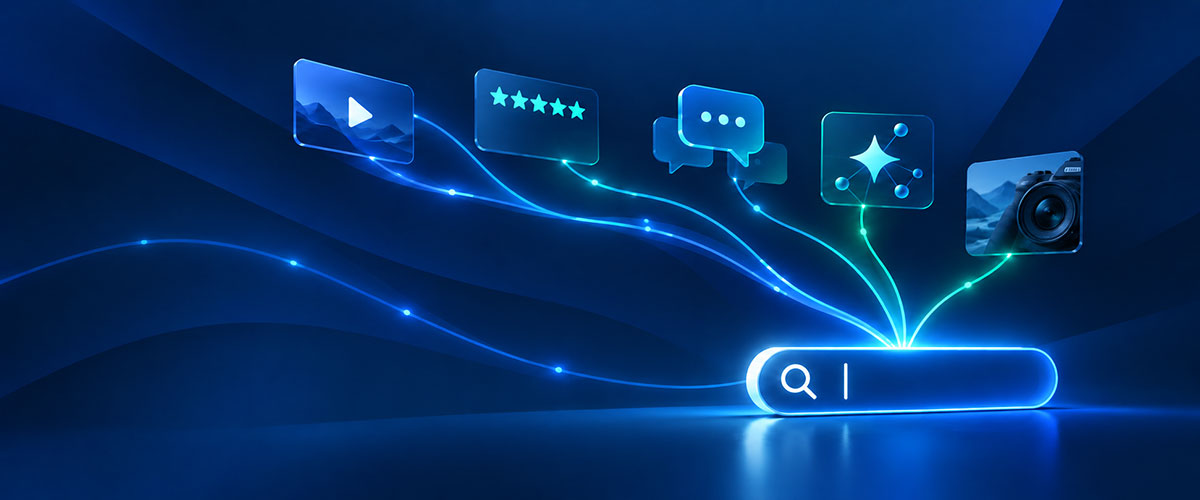
Google Lens is used for 20 billion search queries every month, allowing someone to find a product simply by pointing a camera at it. AI-assisted search traffic is also up more than 500% year over year, as people become more comfortable asking detailed questions rather than trying to reduce everything to a few keywords.
There are also plenty of moments that don’t look like search at all. Recommendation algorithms can put a product in front of someone before they’ve shown any obvious buying intent. A YouTube creator can introduce a brand that person has never heard of. A Reddit discussion or product review can put one option ahead of another.
Then, once the person knows what they want, the search often gets simpler. That’s something we see in client accounts. The searches closest to a purchase are often very direct: a brand, a product, maybe a model number. Those searches perform well because the customer has already narrowed down their options.
The difficulty is figuring out what helped them narrow those options down. If someone watches multiple videos about a product and later searches for the brand before purchasing, reporting may show a strong branded search conversion. It won’t always show how much those videos contributed to the decision. That can make the bottom of the funnel much easier to value than everything that happened before it.
YouTube Gives Us a Better Look at What Happens Before Search
YouTube is one place where that earlier influence is easier to see. Consumers use the platform to watch product reviews, tutorials, comparisons, and demonstrations before buying. More than two-thirds of consumers consider YouTube somewhat or very trustworthy when making purchase decisions.
That content is reaching more than the person watching the video. An analysis of more than 100 million AI citations found YouTube was the second most-cited social media platform, behind Reddit. Video transcripts give AI tools a large amount of information they can use when answering questions about products and brands.
Google has also started connecting some of these dots for advertisers. Its Attributed Branded Search metric can show when exposure to a paid YouTube ad is followed by a branded Google search within a set timeframe. That gives marketers a glimpse of how one channel can generate interest that later shows up as search activity. But it still doesn’t capture everything. Organic reviews, unboxings, comparison videos, and other creator content can have the same effect without appearing neatly in the attribution path.
YouTube is also only one piece of it. A Muck Rack review of 25 million responses from ChatGPT, Claude, and Gemini found earned media accounted for 84% of AI citations. Reviews, media coverage, Reddit threads, and other third-party content can shape what people learn about a company before they ever visit its website or conduct a branded search. All of those sources can contribute to a conversion that eventually gets credited somewhere else.
Look Beyond the Conversion
None of this means marketers should put less value on branded or high-intent search. If someone is actively looking for your company or product, you want to be there. The bigger issue is making sure there’s enough happening before that search to keep creating new demand.
For some brands, that could mean putting more effort into YouTube content that answers the questions customers have while they’re researching. For others, there may be gaps in product feeds or brand information that make it harder for platforms to understand and recommend their products. It’s also worth paying attention to what customers find outside of the company’s own channels, whether that’s reviews, media coverage, creator videos, or conversations happening on Reddit.
Those pieces won’t always fit neatly into a conversion report, but they can still influence what eventually gets typed into Google. This is also why channel strategy becomes harder when every piece is evaluated on its own. Paid search may capture the sale, while video, social, SEO, or content helped create the interest that got the customer there.
At Logical Position, we work across paid search, SEO, paid social, video, and other digital channels to help brands see more of that picture and build a strategy that supports the full customer journey.
If branded search is performing well but you’re trying to figure out what should be creating the next round of demand, connect with Logical Position and let’s take a closer look.