Paid search is one of the most valuable tools in a performance marketer’s strategy. When someone is actively looking for a product, service, or solution, search gives brands a chance to show up at a moment of clear intent.
But search can only capture demand that already exists.
When acquisition costs rise, many marketers respond by putting more pressure on the channels closest to conversion. They increase search investment, tighten bidding strategies, and focus reporting on the campaigns producing the clearest immediate return. Those efforts can improve performance, but they don’t solve the larger issue: The pool of active buyers is limited.
To grow that audience, brands need to reach people before they search. That’s where YouTube can play a stronger role.
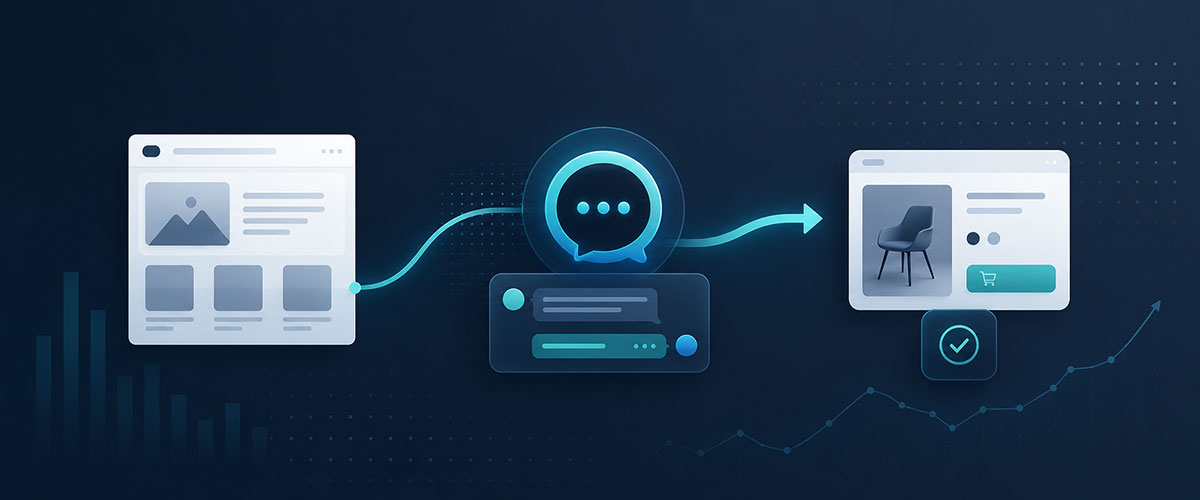
YouTube gives advertisers a way to introduce products, answer questions, and build familiarity earlier in the customer journey. When connected to paid search, it can help create demand that search campaigns are better positioned to capture later.
Start With the Customer Journey
A strong YouTube strategy should not rely on one general brand video. Customers have different needs depending on where they are in the buying process, and the YouTube creative strategy should reflect that. Here’s what video content might look like at each stage in the customer journey:
- At the top of the funnel, viewers may be discovering a product or learning about a problem for the first time. This content should be educational and useful, helping the brand enter the conversation early.
- In the middle of the funnel, viewers may be comparing options. Product demonstrations, customer reviews, and service explanations can help them better understand what sets a brand apart.
- Closer to the decision stage, video can address common concerns and give customers more confidence before they take the next step.
Thinking about YouTube this way helps brands build a creative funnel instead of expecting one video to do everything.
Use Video to Answer Real Questions
YouTube users often seek out content tied to a specific interest, question, or need. That makes the platform a strong fit for product discovery, education, and early-stage research.
Brands can use this behavior to create videos that answer the questions customers are already asking. That may include product walkthroughs, customer reviews, office or warehouse footage, service explanations, or simple videos showing what customers can expect.
The content does not need to feel overly polished to be effective. YouTube viewers often reward authenticity, and content shot in a real business setting can still perform well if the message is clear and useful.
The goal is to help potential customers understand the brand before they reach the search results page.
Connect YouTube Back to Search
YouTube should not be treated as a replacement for paid search. It should be used to support it.
When customers see helpful video content before they search, they may already recognize the brand, understand the product, or feel more confident taking action. That familiarity can make a difference in a crowded search market where many advertisers are competing for the same high-intent audience.
Marketers can also look at this connection inside their own accounts. Adding YouTube prospecting audiences as observation audiences in search can help show how those viewers behave once they begin searching. This can reveal whether video is helping increase search volume, improve conversion rates, or create more efficient downstream performance.
Google data shared with advertisers also shows the value of connecting YouTube and search. On average, brands running YouTube ads alongside search saw an 8% increase in conversion volume, a 3% increase in conversion rate and a 4% decrease in cost per acquisition.
Measure More Than Last Click
YouTube’s value may not always show up as an immediate direct conversion. A customer might watch a video, continue researching, return later through search, and then convert.
That’s why marketers should look beyond last-click return when evaluating YouTube. Search engagement, exposed audience behavior, conversion volume, and cost per acquisition can all help show whether video is strengthening the full customer journey.
This is especially important as search behavior continues to change. With AI summaries appearing more often in search results and users asking more specific, question-style queries, brands need ways to tell more complete stories outside of the traditional results page.
Video gives advertisers space to do that.
Start Small and Test
Many brands hesitate to test YouTube because they assume video production will be expensive. But brands no longer need a full commercial-style production to get started.
A simple creative funnel can begin with the content a brand already has access to, including customer reviews, product demonstrations, educational videos, or behind-the-scenes footage. From there, advertisers can test different messages and formats to see what resonates.
Google’s AI tools can also help create content variations for testing, making it easier to learn what works before scaling.
The goal is not to launch with one perfect video. The goal is to start learning what helps move potential customers through the funnel.
Use YouTube to Strengthen Search
Paid search is strongest when people are ready to act. YouTube helps brands reach them before they get to that point.
By using video to educate, build familiarity, and answer customer questions earlier in the journey, brands can create a more qualified audience for their search campaigns. That makes YouTube more than an awareness channel. It becomes part of a stronger demand strategy.
For advertisers looking to reduce pressure on bottom-of-funnel campaigns, the opportunity is not just showing up when customers are ready to buy. It is helping them get there in the first place.